tjansen.de

Tim's stream of consciousness · JSON Feed

More on PUPS

PUPS is working really well, but it's also a bit overwhelming. I don't think I have ever let Claude work that much without real supervision. The RFCs are the only part that I am really reviewing and where I micromanage Claude. The implementations just follow some guidelines; Claude implements, and I test and check some details. It works really well, generally, but it's also a feeling of losing control. I think I have to slow down soon, or I am not able to understand all the details anymore.

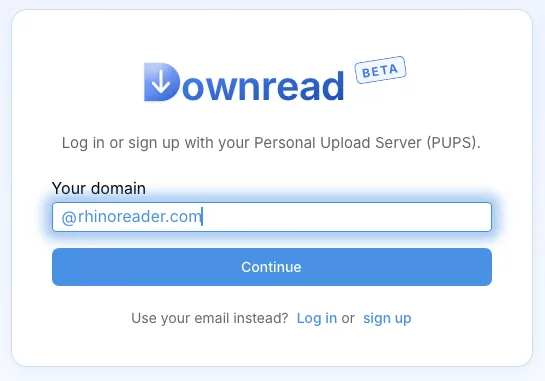
Here's the new login: PUPS login
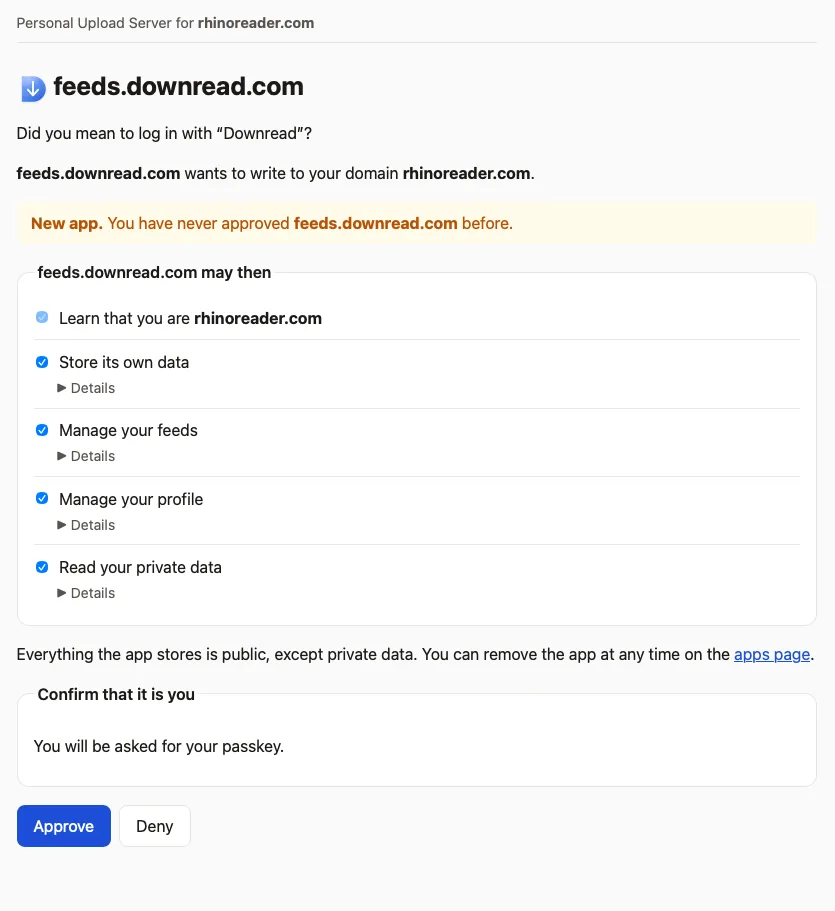
Then, a typical OAuth screen lets you review the request: OAuth confirmation
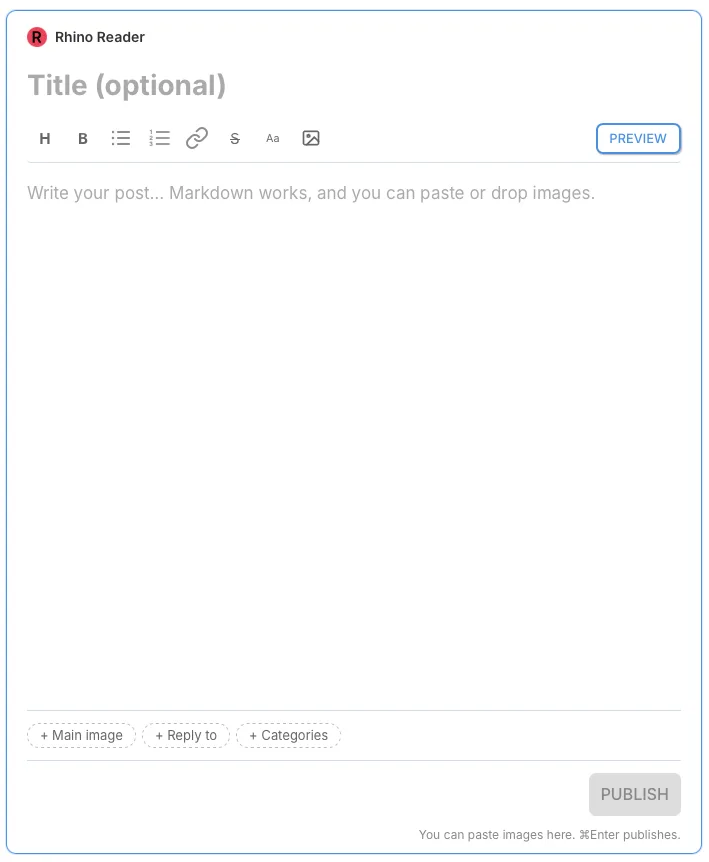
Then, on a fresh PUPS installation, you start with an empty feed and empty profile. A new profile
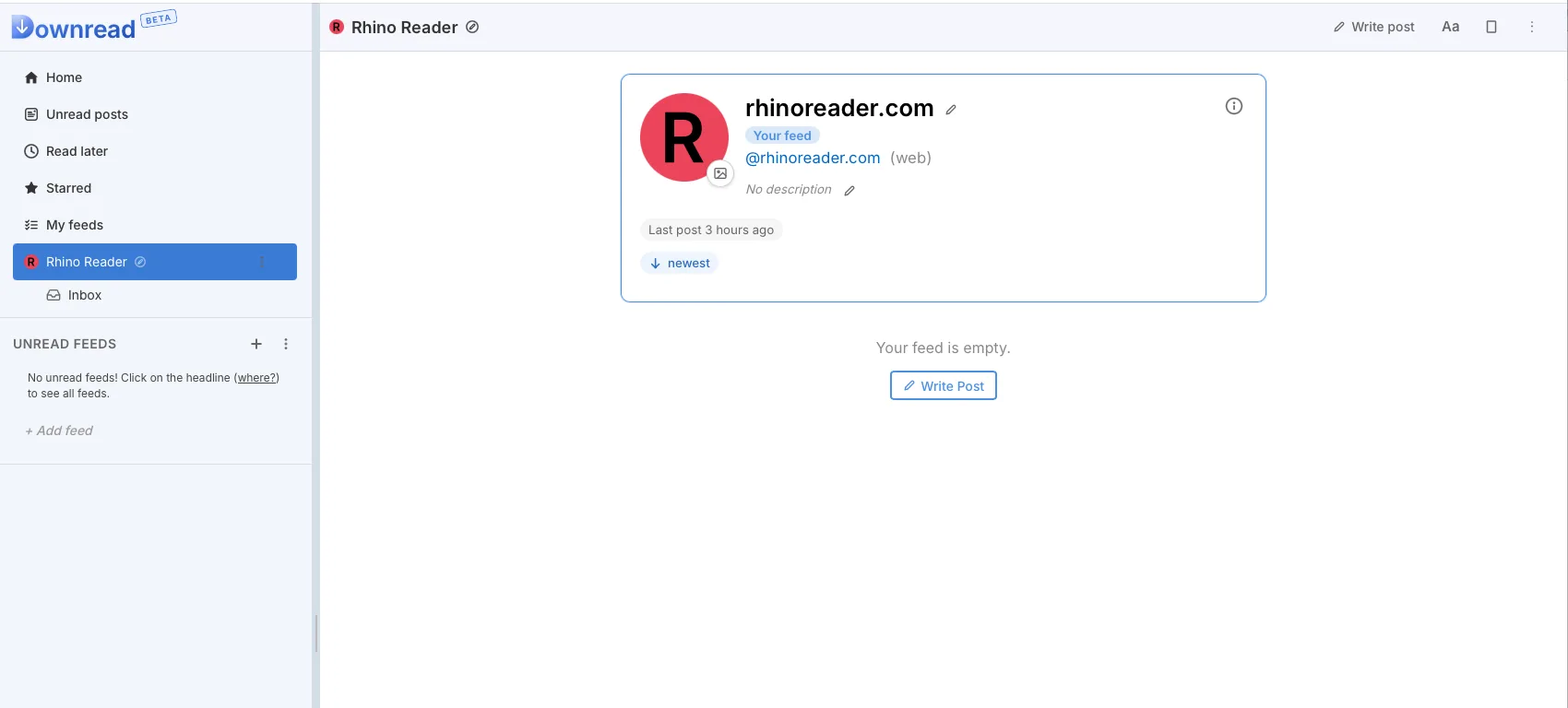
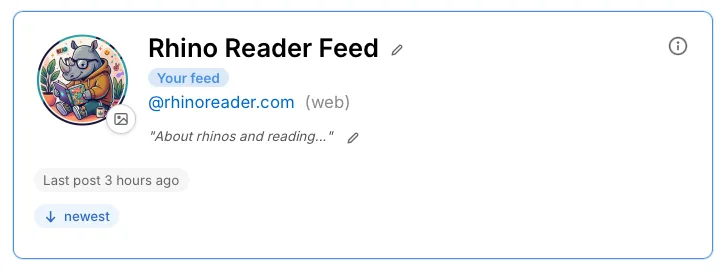
You can name your feed, write the description and upload icons right in Downread. A feed with descriptions
And, of course, you can post. Posting

The profile page is fully editable, like the feed. This is the profile with some content.
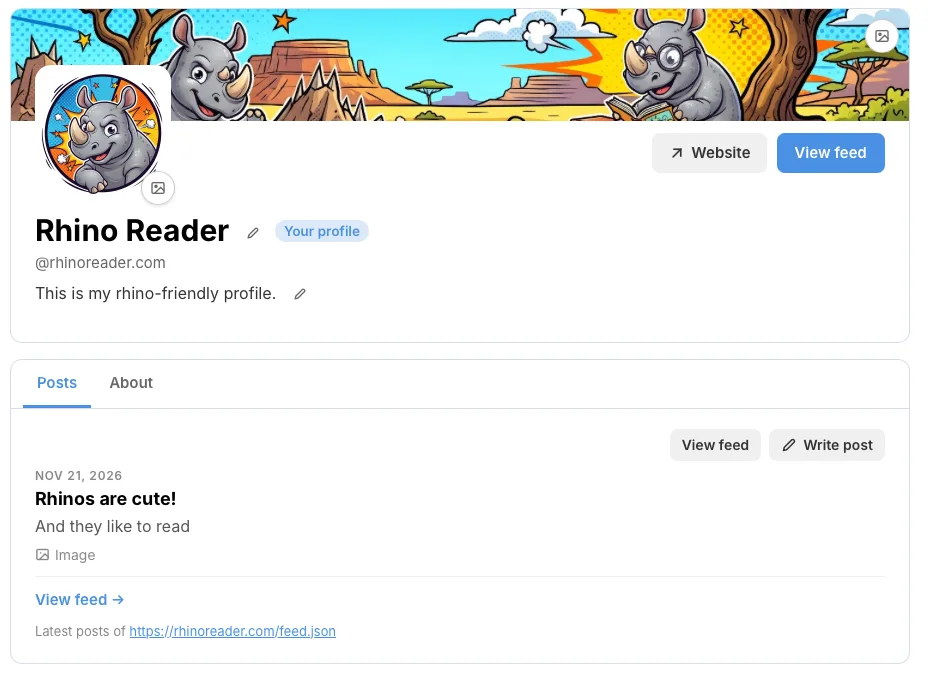
Profile
Profile

The next step will be making the inbox work: Inbox
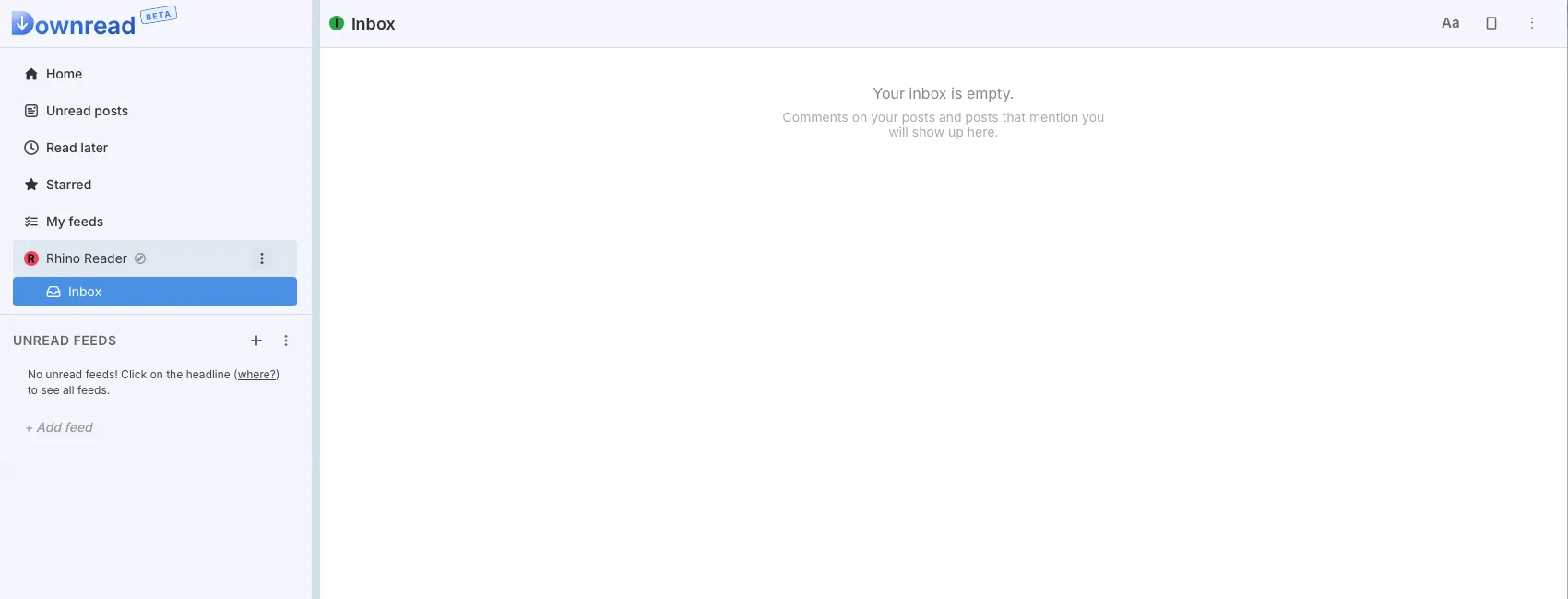
It lets the user see when they're mentioned or when someone responds to them.

PUPS (and Webpup)

The last week or so, I worked on PUPS, which is a spec that allows an app to write into your personal web server. It authenticates using OAuth, specifies which parts it writes into, and then it can upload using HTTP PUT. Details in the spec. I am very excited about this. It's the first step to turn RSS Readers into RSS Writers. Downread already supports it for posting and also for editing your profile. I have a Cloudflare implementation of the server that works pretty well, and now I'm preparing new implementations for simple web servers with PHP and for bunny.net.

Webpup is a single-page application that turns your PUPS server into a website. Based on sodir.org , it discovers all the files you have declared on your web server and displays them on a themeable, fully dynamic website.

Looking for files to test, I found some handmade SVG artwork for a long-forgotten website I worked on, an eternity ago...

Completely forgot that I created it.

I'm warming up a bit to Micropub , but it's definitely one of those specs where people haven't thought too much about the user experience. The issue I ran into today: there is an extension that allows a client to store a draft of a blog entry on the server. This is a wonderful and useful feature. Unfortunately, there is no standard that would allow a client to find out whether the server actually supports it. There are at least two ways of declaring support for it, but none of them seems to be documented. Let's hope for the best...

XML must die

If I have been quiet over the last few days, that's mostly because I have been busy designing a concept for the Personal UPload Server (PUPS). It is a system that runs on an HTTP server and allows an app to get credentials for uploading files to that HTTP server at predefined locations. This will give apps the capability to create and post to feeds, and to update SocialSpec profiles.

I was critical of using XML-based formats like RSS for a while, because they are difficult to use correctly. First, you need an XML library, which by itself is not that easy today on less popular platforms. Then you need to use it correctly - not all libraries make it easy to handle all the less-obvious features like CDATA, entities, comments, and namespaces. And you must resist the urge to write a couple of regexes to avoid all that, because they will always fail in XML edge cases.

XML is getting worse when you need to edit XML files, especially those that are also edited by humans. It's almost impossible, at least without an LLM, to avoid destroying comments and similar things.

So far, so good. But when working on PUPS, I realized that XML has a few additional security implications. XML is, when opened in the browser, executable code. It can either contain an XSLT stylesheet that will convert it into a full HTML page, or it may contain a <script> tag to execute directly. You have to be really careful when writing any XML file on a web server that is shared with web applications such as a CMS. Otherwise, when the user opens the XML in their browser, the scripts in the XML get credentials that the user has on the server.

That's why PUPS will prefer JSON and Markdown wherever possible. They just don't have the same risk. XML-based formats will be served with Sandbox-CSP and other precautions. HTML and JS will not be allowed at all.

Discovered and now reading Manton Reece's Indie Microblogging book. It contains a lot of history I wasn't aware of, especially since I didn't have much interest in IndieWeb so far, because it seemed too HTML-oriented for me. But I learned that the domain-as-identity idea first came out of the IndieWeb community. And IndieAuth looks very useful for what I am trying to do.

Micropub

I wanted to add Micropub support to Downread’s blog writer. An open protocol to post blog entries, supported by dozens of servers and services. With a good-looking test suite at Micropub.rocks. A perfect match? That’s what I thought. Until I tried it. It’s a CORS hell. The first service I tried doesn’t support CORS at all. Micropub.rocks seemingly does, but the headers are not configured correctly. Looks like no one ever dared to write a browser-based client. Will probably need to relay everything over a server, when you can’t even use those servers without a CORS declaration. This is annoying not only because I have to set up that server relay (probably not more than a handful of Claude prompts), but it’s driving up costs and thus my ability to offer free plans. Never trust a protocol that relies on sending HTTP headers…

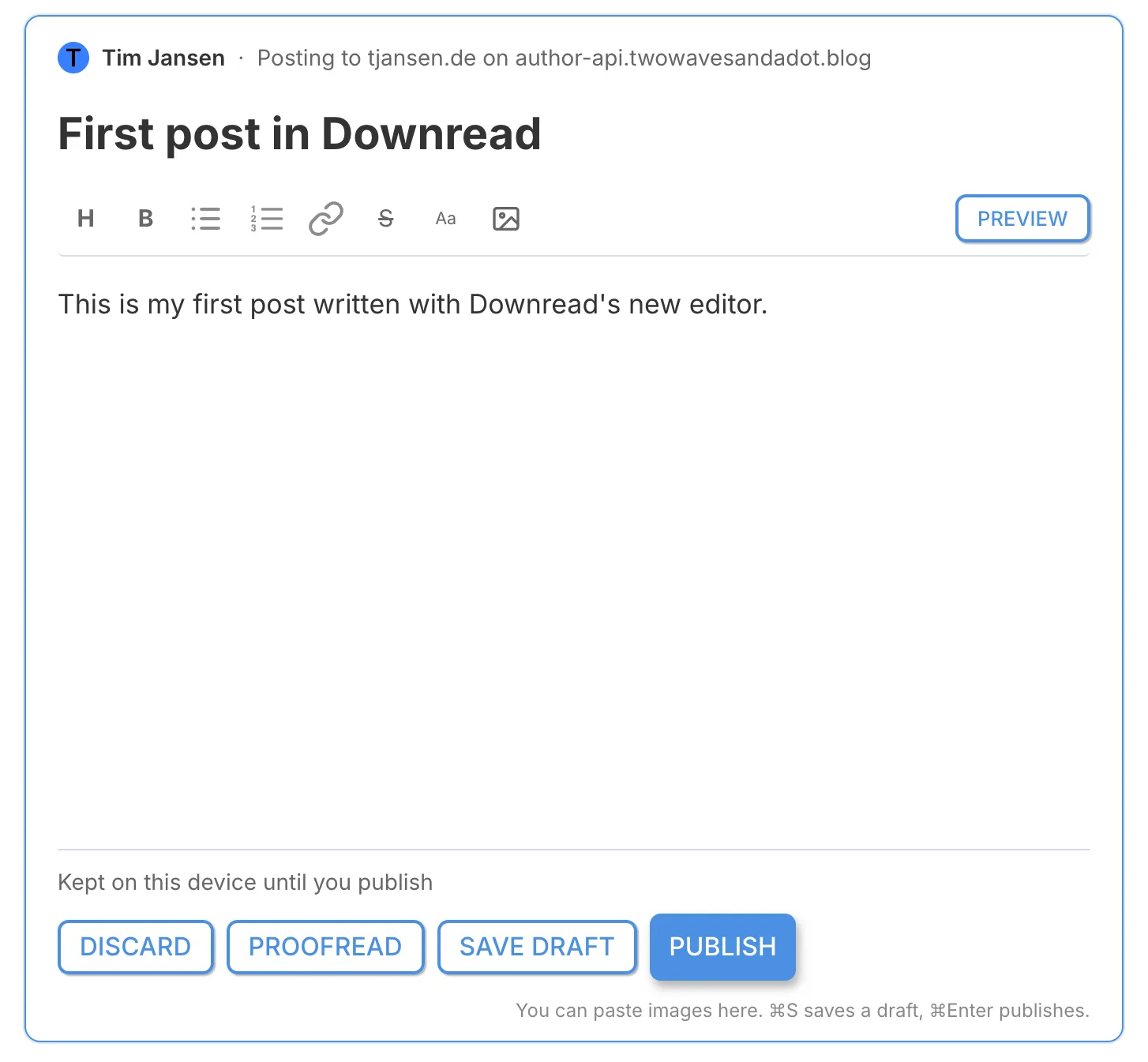
First post from Downread

This is my first post written with Downread's new editor.

Downread's post editor

Never seen this before: Claude making mockups with emojis... Video control mockup

There are many people creating RSS readers these days. Especially on Reddit’s r/rss there is a new one almost every day. That doesn’t bother me - what does is that most of them seemingly have no ambition to innovate. Most just advertise the same features everybody has. Atom, OPML, like that. The more ambitious add AI summaries (something that Downread doesn’t do - I don’t really see the point). And occasionally there is someone going a bit further, like creating topic-based feeds or deduping stories about the same topic. But I was hoping to find people that want to advance RSS itself, and there is practically no interest. On the one hand, that gives Downread a chance to be the most innovative new reader. But on the other hand, creating new specs doesn’t make sense if there is only a single reader supporting it.